Knowing how to size cowboy boots correctly is the difference between a boot that feels great all day and one that leaves your feet wrecked. The short answer: measure both feet in the afternoon, check the brand's size chart, and always try them on with the socks you plan to wear. If you're already dealing with fit issues, our guide on how to fix heel slippage in cowboy boots is a solid starting point.
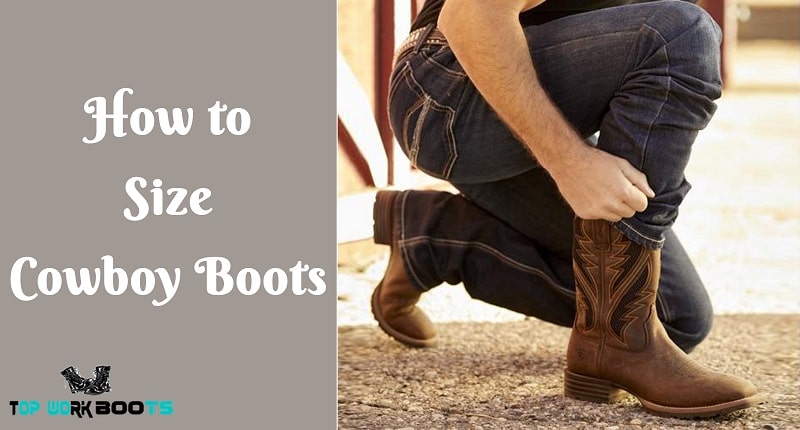
Cowboy boots aren't sized like sneakers or even most work boots. They're narrower through the instep, built with an angled heel, and the shaft adds calf measurements that regular footwear simply doesn't have. Getting all three right means the boot works with your foot — not against it.
Whether you're buying cowboy boots for ranch work, the job site, or everyday wear, this guide walks you through every measurement you need. If you're wearing them on the job, also check out our safety standards page to make sure your boots meet any required workplace ratings before you buy.
Contents
- Why Cowboy Boot Sizing Is Different From Regular Shoes
- How to Size Cowboy Boots: Step by Step
- Best Practices for Getting the Right Fit
- Building Your Cowboy Boot Size Profile
- Fixing Common Cowboy Boot Fit Problems
- Quick Ways to Nail Your Size Before You Buy
- Sizing Mistakes That Ruin Your Comfort
- Frequently Asked Questions
Why Cowboy Boot Sizing Is Different From Regular Shoes
The Unique Build of a Cowboy Boot
Cowboy boots have design features that directly affect how sizing works. Once you understand the construction, the fit rules make a lot more sense.
- Pointed or rounded toe box — narrower than most work boots or sneakers, which changes how length translates to comfort
- Angled heel — typically 1.5 to 2 inches, shifting your weight forward and changing how the sole contacts the ground
- No laces — once you're in, you can't adjust the fit, so getting it right before you buy matters more
- Pull-on entry — the foot opening is intentionally narrow; a new boot should feel mildly difficult to pull on
- Leather upper — quality leather molds to your foot over time, so some initial snugness is expected and normal
The heel style you choose also affects how the boot wears over time. Our breakdown of different types of heels in cowboy boots covers the options in detail.
How Brand Sizing Varies
There's no universal cowboy boot sizing standard. A size 10 in one brand can fit like a 9.5 in another. Some brands use proprietary lasts (the mold used to shape the boot) that run narrow through the instep. According to the Wikipedia article on cowboy boots, the traditional Western boot evolved from working ranch boots with specific proportions that still influence modern sizing today.
- Always check the brand's specific size guide — don't assume your sneaker size transfers
- Read recent customer reviews for fit notes, especially from people with a similar foot shape
- When in doubt between two sizes, go with the larger one
How to Size Cowboy Boots: Step by Step
What You'll Need
You don't need any special tools. Here's what to grab before you start:
- A piece of paper larger than your foot
- A pencil or pen
- A ruler or flexible measuring tape
- The socks you plan to wear with the boots
Pro tip: Measure your feet in the afternoon or evening — feet naturally swell throughout the day, and sizing for that swell prevents boots that feel tight by 4 PM.
Measuring Length and Width
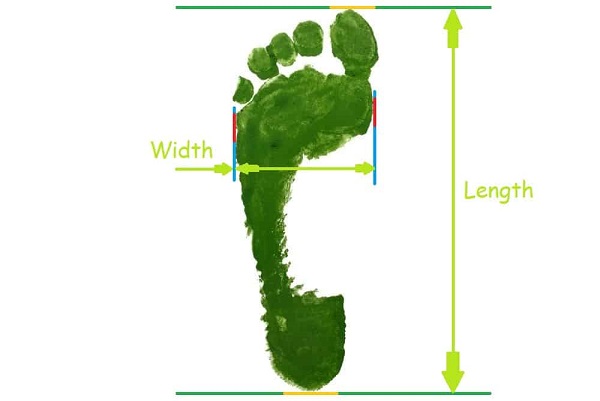
Follow these steps to get accurate measurements for both length and width:
- Put on your boot socks — thin dress socks and thick work socks produce different fit results
- Stand on the paper — put your full weight on the foot you're tracing
- Trace your foot outline — keep the pencil straight and vertical, not angled inward
- Measure the length — from the back of your heel to the tip of your longest toe
- Measure the width — at the widest part of your foot, usually across the ball
- Measure both feet — most people have one foot slightly larger; always size for the bigger foot
Measuring Shaft Height and Calf Width
The shaft is the upper section of the boot that covers your lower leg. This measurement matters most if you have wider calves or plan to tuck jeans inside the boot.
- Measure your calf circumference at the widest point
- Standard Western boot shafts are about 13–14 inches tall and 14–15 inches in circumference
- If your calf is larger, look for boots labeled "wide calf" or check the brand's shaft specs before ordering
Best Practices for Getting the Right Fit
Length Fit Rules
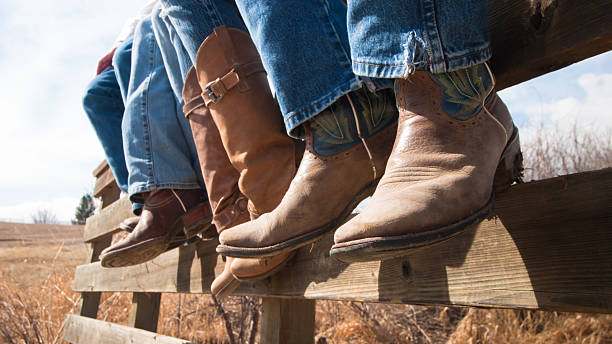
Cowboy boot length fit follows different rules than sneakers or casual shoes. Here's what good length fit looks like:
- Your toes should lightly touch the front of the boot — not crammed in, but not floating either
- There should be roughly a thumb's width of space between your longest toe and the toe of the boot
- The ball of your foot should sit at the widest part of the boot sole — called the "break" point
- If the ball sits too far forward, the boot is too short; too far back, it's too long
Width and Toe Box Feel
Width is where most people make their biggest sizing error with cowboy boots. Common widths include:
- B (Narrow) — for slim feet
- D (Medium/Regular) — the standard for most men's boots
- EE or 2E (Wide) — for wider feet
- EEE or 3E (Extra Wide) — available in select brands
Your foot should feel snug across the instep but not squeezed. Even in a pointed toe box, your toes should be able to wiggle slightly. If they can't, you need a wider width — not necessarily a longer boot.
Understanding Heel Slip
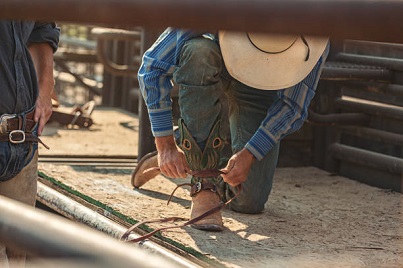
New cowboy boots almost always have some heel movement — and that's normal. Here's how to tell the difference between acceptable and problematic slip:
- Normal: ¼ to ½ inch of heel movement when walking on flat ground
- Too much: more than ½ inch, or heel lifting every single step — this causes blisters fast
- None at all: may mean the boot is too tight and won't break in comfortably
Heel slip usually decreases as the leather softens and molds to your foot. If it doesn't improve after a few weeks of wear, our guide on fixing heel slippage in cowboy boots covers practical solutions.
Warning: Never buy cowboy boots that feel painful right out of the box — leather will soften, but it won't fix a boot that's the wrong size or width.
Building Your Cowboy Boot Size Profile
Knowing your measurements once isn't enough — different brands and styles size differently. Building a personal sizing reference saves you from guesswork every time you shop.
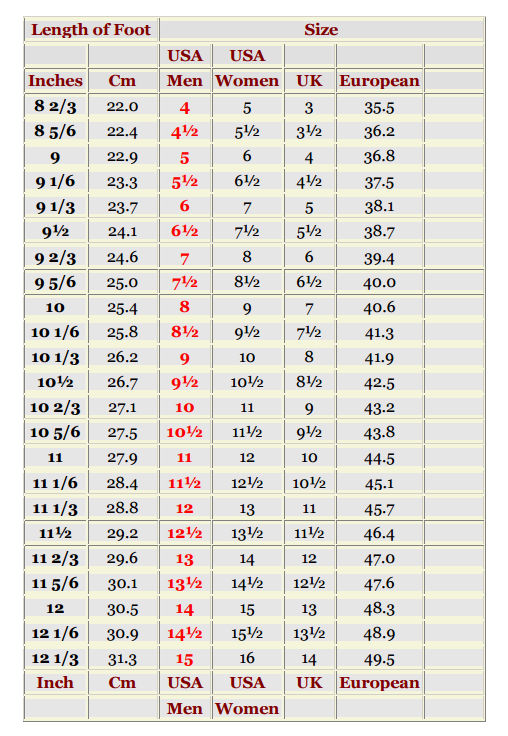
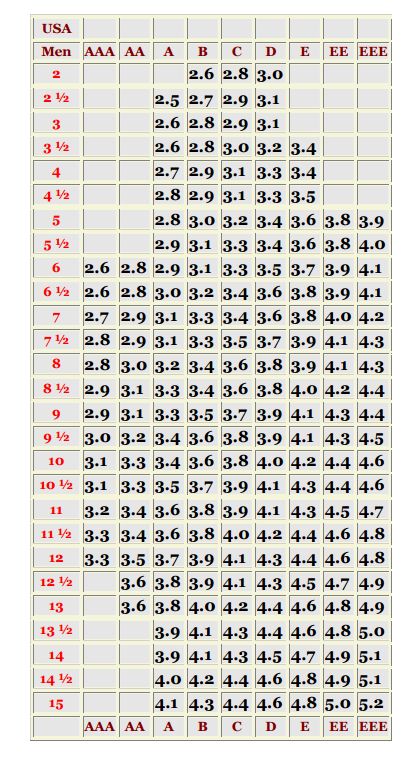
Use this reference chart to convert your foot measurements to standard US boot sizes. Always verify against the brand's own chart before purchasing:
| Foot Length (inches) | US Men's Size | US Women's Size | EU Size | Recommended Width (Men) |
|---|---|---|---|---|
| 9.0" | 6.5 | 8 | 39 | D (Medium) |
| 9.25" | 7 | 8.5 | 40 | D (Medium) |
| 9.5" | 7.5 | 9 | 40.5 | D (Medium) |
| 9.75" | 8 | 9.5 | 41 | D / EE |
| 10.0" | 8.5 | 10 | 42 | D / EE |
| 10.25" | 9 | 10.5 | 42.5 | D / EE |
| 10.5" | 9.5 | 11 | 43 | EE (Wide) |
| 10.75" | 10 | 11.5 | 44 | EE (Wide) |
| 11.0" | 10.5 | 12 | 44.5 | EE / EEE |
| 11.25" | 11 | 12.5 | 45 | EEE (Extra Wide) |
| 11.5" | 11.5 | 13 | 45.5 | EEE (Extra Wide) |
| 11.75" | 12 | — | 46 | EEE (Extra Wide) |
Keep notes on which brands fit you true to size, which run narrow, and which run wide. Over time, you'll build a personal sizing map that makes future purchases much faster and more accurate. Not sure how much difference a half size actually makes? Our article on how much bigger a half size in shoes is breaks it down clearly.
Fixing Common Cowboy Boot Fit Problems
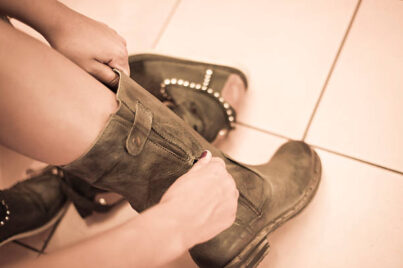
Boot Too Tight
If the boot is squeezing your foot or you can't pull it on without a fight, try these steps:
- Use a boot stretcher with leather stretching spray — leather responds well when it's slightly damp and under pressure
- Wear the boots around the house with thick socks to stretch the leather gradually over several sessions
- Visit a cobbler — a professional can stretch specific areas like the toe box or instep without damaging the boot
- If the shaft is too tight around the calf, look for wide-calf options or have the shaft panel let out by a cobbler
Boot Too Loose
A boot that's too loose causes blisters just as fast as one that's too tight — your foot slides and rubs with every step.
- Switch to a thicker sock — sometimes just the right sock weight solves a marginally loose fit
- Add a full insole or half-insole to fill volume and improve contact between foot and boot
- Use heel liners or grip pads to reduce heel movement and keep your foot from sliding forward
- If the boot is more than one size too large, return it — insoles can only compensate so much
After extended use, cowboy boots may need resoling. If yours are wearing down at the heel or sole, our step-by-step guide on how to resole cowboy boots at home walks you through the process.
Quick Ways to Nail Your Size Before You Buy
You don't always have time for a full measurement session. These quick checks help you get sizing right — especially when buying online:
- Compare to a well-fitting boot you already own — measure its insole length and match it to the new boot's listed insole measurement
- Check the brand's size guide — most major cowboy boot brands publish detailed charts on their websites
- Read reviews filtered by foot type — look for notes from people with wide feet, narrow feet, or high arches similar to yours
- Look for "runs narrow" or "runs wide" callouts — product descriptions and retailer notes often include this information
- Buy from retailers with free returns — if you're torn between two sizes, order both and return the one that doesn't work
For brand-specific sizing guidance, check out our Frye boots size chart if you're shopping that brand — it includes detailed notes on fit across their different boot lines.
Sizing Mistakes That Ruin Your Comfort
Even experienced boot buyers make these errors. Knowing what to watch out for saves you from a boot that never feels right.
- Measuring in the morning — feet are at their smallest then; afternoon measurements give you a more accurate picture of your real size
- Using your sneaker size directly — cowboy boots size differently across brands and styles; always measure and check the chart
- Ignoring width — buying the right length in the wrong width causes the majority of fit complaints with cowboy boots
- Trying on with the wrong socks — wearing thin socks when you plan to use thick ones leads to a boot that feels loose in real use
- Sizing up too much for break-in — leather will soften, but going a full size up creates a sloppy fit that never firms up
- Skipping shaft measurements — especially if you have muscular or wider calves, missing this step can result in a boot you literally can't pull on
- Ordering without checking the return policy — cowboy boots need to be tried on with movement, not just standing still
Once you have a pair that fits well, taking care of the leather makes a real difference over time. Our guide on how to polish cowboy boots shows you how to keep them looking and feeling their best.
Frequently Asked Questions
Do cowboy boots fit the same as regular shoe sizes?
Not always. Cowboy boots often run narrower through the instep than sneakers or work boots, and sizing varies significantly between brands. Always measure your foot and check the specific brand's size chart rather than assuming your regular shoe size will transfer directly. When in doubt, go with the larger size.
Should cowboy boots feel tight when you first put them on?
They should feel snug — especially across the instep — but not painful. New cowboy boots naturally have some heel slip, up to about ½ inch, which decreases as the leather breaks in. If the boot pinches your toes or causes immediate pain, it's the wrong size or width, not just stiff from being new.
How do I know if my cowboy boots are the right width?
The ball of your foot should sit at the widest part of the boot sole with no pinching on the sides. Your instep should feel held firmly — not squeezed and not sloppy. If your foot feels like it's spilling over the insole or the sides of the boot feel hollow, you likely need a different width rather than a different length.
Can I size down in cowboy boots if I'm between sizes?
Generally no. If you're between sizes, go with the larger one and adjust fit with thicker socks or an insole. Sizing down in cowboy boots — which have no laces for on-the-fly adjustment — risks a fit that stays painfully tight even after the leather softens. Leather breaks in, but it won't stretch a full size.
Final Thoughts
Getting the right fit in cowboy boots comes down to three things: accurate measurements, checking the brand's specific size chart, and knowing what good fit actually feels like before you commit to a pair. Take a few minutes to measure your feet this afternoon, use the chart above to find your starting size, and browse our boot reviews to find the right pair for your work or everyday needs — your feet will thank you for putting in that extra effort upfront.


About Jason Flores
Jason Flores is a multi-talented individual whose unique journey has led him to blend his passion for craftsmanship and fashion into a creative endeavor. During his formative years, he found himself immersed in the world of handiwork, spending countless hours in his grandfather's workshop. These early experiences allowed him to develop a deep understanding of practical skills and a keen eye for detail.Simultaneously, Jason harbored an innate love for fashion, drawn to the artistry and self-expression it offers. As he grew older, he recognized the potential to combine his proficiency in craftsmanship with his fashion sensibilities. This realization led him to a path where he began to explore and write about the intersection of fieldwork fashion.
Get FREE Boots Gifts now. Or latest free toolsets from our best collections.
Disable Ad block to get all the secrets. Once done, hit any button below