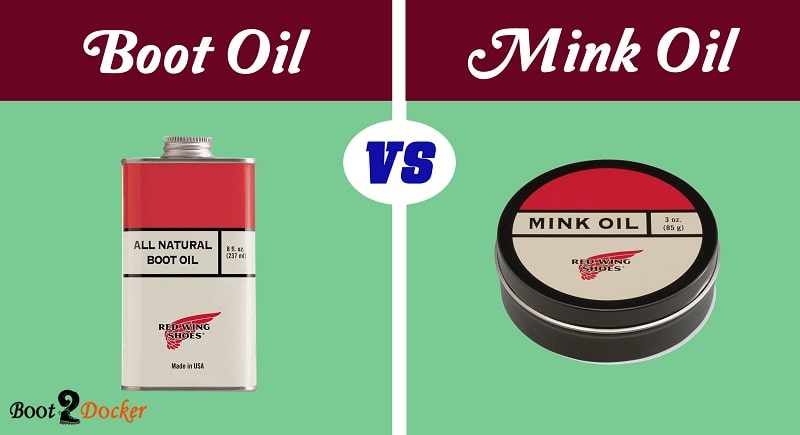
If you're comparing boot oil vs mink oil for leather, here's the direct answer upfront: boot oil is a versatile, modern conditioner suited for most leather types, while mink oil is a traditional animal-fat product that penetrates deeply but can darken leather and over-soften it with heavy use. Both belong in your boot care toolkit — but they're not interchangeable, and using the wrong one on the wrong leather creates problems you won't see until it's too late.
Work boots take a serious beating. Whether you're logging miles on concrete, pushing through wet job sites, or dealing with heat and constant mechanical stress, your leather dries out faster than you'd expect. Conditioning keeps the leather flexible, prevents cracking, and extends the life of boots that represent a real investment. Get the conditioning right and a quality pair of lace-up work boots can outlast what most people consider their useful lifespan.
This guide cuts through the noise on boot oil vs mink oil for leather. You'll get a clear side-by-side comparison, a step-by-step application walkthrough, and the specific mistakes that undo all your conditioning work. Let's get into it.
Contents
- Boot Oil vs. Mink Oil: Side-by-Side Comparison
- Boot Oil vs. Mink Oil for Leather: What Each Product Actually Does
- How to Apply Boot Oil or Mink Oil Step by Step
- Planning Your Long-Term Boot Care Routine
- Pro Tips for Getting More Out of Your Conditioner
- Mistakes That Ruin Leather Boots Faster Than Wear
- Frequently Asked Questions
- Final Thoughts
Boot Oil vs. Mink Oil: Side-by-Side Comparison
Before diving into the details, here's a direct comparison so you can see exactly where these two products differ. This is the fastest way to figure out which one fits your current situation.
| Factor | Boot Oil | Mink Oil |
|---|---|---|
| Primary Ingredient | Mineral or plant-based oils, sometimes silicone or beeswax | Rendered mink fat |
| Penetration Depth | Moderate | Deep |
| Darkens Leather? | Slight to moderate | Moderate to significant |
| Water Resistance Added | Good | Good |
| Effect on Leather Stiffness | Minimal softening | Significant softening over time |
| Best For | General-purpose conditioning on most leather | Stiff, very dry, or heavily worn leather |
| Safe for Waterproof Boots? | Most formulations, yes | Can compromise membranes — check first |
| Vegan-Friendly | Often yes (check the label) | No |
| Typical Application Frequency | Every 2–4 months or as needed | Every 3–6 months or as a targeted treatment |
The core takeaway: boot oil is the safer, more versatile everyday choice, while mink oil is a targeted tool for specific situations — particularly stiff or severely dry leather that needs deep restoration. Use mink oil the way you'd use a power sander: effective for the right job, but not what you reach for every weekend.
Pro Tip: If your boots are dark-colored or made from rough-out leather, mink oil's darkening effect matters less. On lighter or full-grain leather, boot oil preserves color better while still conditioning effectively.
Boot Oil vs. Mink Oil for Leather: What Each Product Actually Does
What Is Boot Oil?
Boot oil is a category, not a single product. Most commercial boot oils are blends of petroleum-based or plant-based oils — sometimes combined with neatsfoot oil, silicone, or beeswax — formulated to condition leather without drastically altering its appearance or structure. They're designed to do four things:
- Replenish the natural oils that evaporate through use and exposure
- Restore flexibility to dry or beginning-to-crack leather
- Add a light barrier of water resistance
- Maintain the original color with only minimal darkening
Popular boot oils like Bickmore Bick 4, Sof Sole Boot Oil, and Obenauf's Heavy Duty LP (technically an oil-wax blend) all fall under this umbrella. They work well on most full-grain leather boots, including many waterproof work boots for men — though you should always check the manufacturer's guidance before applying anything to boots with a Gore-Tex or similar membrane.
According to Wikipedia's overview of leather, the natural oils in tanned hides gradually migrate and evaporate over time, which is exactly what proper conditioning replenishes. Boot oil handles this job cleanly and consistently without major risks.
What Is Mink Oil?
Mink oil comes from the fat layer of mink pelts — a byproduct of the fur industry. It's been used on leather for well over a century because its fatty acid profile is unusually similar to the natural sebum found in animal hides. This makes it an exceptionally effective penetrating conditioner for stiff or dried-out leather.
Here's what mink oil specifically does to leather:
- Penetrates deep into the fiber structure, not just the surface
- Softens stiff leather more aggressively than most standard boot oils
- Adds water resistance at the fiber level rather than at the surface
- Darkens leather noticeably — particularly lighter-colored or unfinished hides
The softening is where most people run into trouble. Too much mink oil, applied too often, breaks down the structural integrity of the leather. Work boots rely on that structure for ankle support and shape retention. If you're already dealing with foot fatigue, pairing over-conditioned leather with inadequate support compounds the problem — which is why quality insoles for work boots are worth considering alongside your leather care routine.
Which One Fits Your Experience Level?
If you're new to leather care, start with boot oil. It's more forgiving, works across a wider range of leather types, and is far less likely to cause the darkening or over-softening issues that mink oil triggers when misapplied.
If you have experience conditioning leather and you're dealing with a specific problem — stiff break-in leather, severely dried-out boots from a hard season, or old leather that needs deep restoration — then mink oil makes sense as a targeted treatment. Use it sparingly and infrequently, never as your everyday routine product.
Warning: Never apply mink oil to suede, nubuck, or patent leather. The deep penetration destroys the texture of suede and nubuck permanently, and it ruins the glossy finish of patent leather. If you're unsure of your leather type, use boot oil and check the manufacturer's care instructions.
How to Apply Boot Oil or Mink Oil Step by Step
Application technique matters more than most people realize. You can buy the right product and still damage your leather by applying it incorrectly. The steps below apply whether you're using boot oil or mink oil — the core process is the same.
Step 1: Clean the Leather First
Never condition dirty leather. Dirt and grit trap underneath the oil layer, abrade the leather from the inside out, and prevent even absorption. Remove laces and use a stiff-bristled brush to knock off loose dirt. Then wipe down the entire upper with a damp cloth. For heavier buildup, use a dedicated leather cleaner or a small amount of saddle soap on a damp sponge.
- Pay attention to the welt seam where the sole meets the upper — grime concentrates there
- Clean around eyelets and hardware — these areas trap debris that accelerates cracking
- Let boots dry completely before applying any conditioner — wet leather absorbs unevenly
If your boots have significant heel or sole wear, address that before conditioning the upper. A proper boot heel repair adds substantial life to boots that are otherwise in solid structural shape.
Step 2: Apply the Conditioner
Use a soft cloth, a dauber brush, or your fingertip — all work well. The method matters less than the quantity. Work in small amounts:
- Start with a pea-sized amount of product on your applicator
- Work it into the leather using small circular motions
- Cover the entire upper, paying extra attention to flex points — the toe box, ankle crease, and instep where bending concentrates stress
- Apply one thin, even coat rather than attempting to saturate the leather in a single pass
For mink oil specifically: apply it in a warm environment. The oil becomes more fluid as temperature rises, which helps it penetrate rather than sit on the surface. Cold application leads to surface buildup that blocks the leather's natural pores and attracts more dirt than you started with.
Step 3: Buff and Allow to Dry
After applying, let the boots rest for 20–30 minutes. Then buff the surface thoroughly with a clean, dry cloth to remove any excess product that hasn't absorbed. This step is essential — residual surface oil attracts dust and creates a tacky coating that transfers to floors and clothing.
With mink oil, removing excess is especially critical because the product is richer and denser. Leave it too long without buffing and you get a greasy film that smells and keeps accumulating lint. Stuff your boots with newspaper or cedar shoe trees while they finish drying to help them hold their shape as the leather slightly contracts.
Planning Your Long-Term Boot Care Routine
A single conditioning session won't protect your investment over time. Leather care is a routine, not a one-time fix. The good news: it doesn't demand much time when you build it into a regular schedule.
How Often Should You Condition?
The right frequency depends on your working conditions and exposure level:
- Light use (office environments, occasional outdoor wear): Every 4–6 months
- Moderate use (regular job site, daily walking on varied terrain): Every 2–3 months
- Heavy use (constant moisture, heat, or abrasion): Monthly, or when the leather begins to feel dry
The simplest test: run your fingers across the leather. If it feels dry, rough, or stiff compared to how it felt when the boots were new, condition them. Don't wait for visible cracks — by then, the damage is permanent. Cracks in leather don't heal; they only get managed.
In wet working environments, the boot oil vs mink oil for leather question also intersects with waterproofing. Neither conditioner alone gives you the protection that a purpose-built waterproofing treatment provides, but both improve water resistance as a secondary benefit. If wet conditions are your primary concern, prioritize boots engineered for it from the start.
Rotating Products Through the Seasons
Experienced boot wearers rotate conditioning products based on the season and what their leather actually needs — an approach most beginners overlook entirely.
- Spring and summer: Lighter boot oil keeps leather conditioned without over-softening it in heat
- Fall and winter: Heavier conditioners or a targeted mink oil treatment combat cold-induced dryness and stiffness
- Annual deep restoration: If boots come through a hard year very dry, one careful mink oil application followed by regular boot oil maintenance gives the leather a structural reset
Think of mink oil as a power tool in your kit — effective when you need heavy-duty work done, not what you reach for every time. Boot oil is your everyday driver. That rotation approach keeps leather healthy over the long term without the over-softening that ruins structural integrity.
Pro Tips for Getting More Out of Your Conditioner
Getting better results from your conditioner doesn't require expensive products or complicated techniques. It requires knowing a few things most people skip over.
Temperature Changes Everything
Leather absorbs conditioning products better when it's slightly warm. Before applying, let your boots sit in a warm room for 30 minutes. The leather fibers open slightly with warmth, allowing oil to penetrate more deeply rather than pooling on the surface.
This effect is most pronounced with mink oil, which has a higher fat content and needs warmth to flow through leather fibers properly. Cold application of mink oil creates a surface film without delivering the deep conditioning that makes the product worth using. Warm leather plus thin application equals maximum absorption.
You should also condition boots when they're dry — never directly after coming in from rain or heavy moisture. Wet leather absorbs products unevenly and can trap water against the fibers if you seal it in with an oil coating.
Less Product Does More
This is the most important application principle, and it runs counter to most people's instincts. More product does not mean more protection. Leather can only absorb so much oil — the rest sits on the surface, attracts dirt, and eventually clogs the leather's natural pores, reducing its ability to breathe and absorb future treatments.
- Apply a thin coat, buff it in, wait 20 minutes, then assess
- If the leather still looks dry, apply a second thin coat — never try to restore severely dry leather in a single heavy application
- Test any new conditioner on an inconspicuous area first — under the tongue or near the back heel — before coating the whole boot
This test step is especially important with mink oil, where the darkening effect can be surprising on certain leathers. A small patch test takes two minutes and prevents a result you can't reverse.
Mistakes That Ruin Leather Boots Faster Than Wear
Even experienced boot owners make conditioning mistakes. These are the ones that cause the most damage — and the ones that are completely avoidable once you know what to watch for.
Over-Conditioning the Leather
Over-conditioning is the most common mistake people make, especially with mink oil. More conditioning does not mean better-protected boots. Signs you've crossed the line include:
- Leather feels mushy or lacks the firm structure it used to have
- The boot upper collapses easily when pressed with your thumb
- The surface feels perpetually tacky and attracts dust and lint
- Seams are showing unusual stress or pulling apart at the stitching
Over-softened leather provides less ankle support and breaks down structurally faster than properly maintained leather. If your boots have already become uncomfortable despite regular conditioning, the leather may not be the whole problem. Check out the best options for work boots designed for sore feet — sometimes the boot itself needs replacing, not just more conditioning.
Using the Wrong Product for Your Leather Type
Not all leather responds the same way, and treating specialty leather like standard full-grain causes real, irreversible damage. Here's what to avoid:
- Suede and nubuck: Never use boot oil or mink oil — the penetration permanently ruins the nap. Use products specifically designed for these textures
- Patent leather: Neither product is appropriate — patent has a synthetic coating that oils can't penetrate and can crack
- Waterproof-membrane boots: Many manufacturers explicitly warn against conditioning products that can degrade the bonding between the membrane and the leather upper
- Synthetic leather: Most conditioners don't absorb at all and create surface buildup that eventually peels
Full-grain leather — the standard for quality work boots — handles both boot oil and mink oil for leather well. Every other leather type requires a more targeted approach. When you're unsure, contact the boot manufacturer. They'll tell you exactly what the leather can handle.
It's also worth noting that even correctly applied conditioning won't compensate for neglected sole or heel wear. If your boots need structural repair, address that first — the DIY boot heel repair guide covers the basics of getting that handled without a cobbler visit.
Frequently Asked Questions
Is mink oil bad for leather boots?
Mink oil isn't bad for leather — it's just easy to misuse. Used sparingly on appropriate full-grain leather, it's one of the most effective conditioning treatments available. The problems start when you apply it too often or in excessive amounts, which leads to over-softening and structural breakdown over time. On suede, nubuck, or boots with waterproof membranes, mink oil causes damage that can't be reversed.
How often should you oil leather work boots?
For most workers, conditioning every 2–3 months is appropriate for moderate daily use. In high-wear conditions with regular moisture, heat, or abrasion exposure, monthly conditioning is reasonable. The best indicator is the feel and look of the leather — when it starts to feel dry, stiff, or looks dull compared to its conditioned state, it's time to treat it regardless of when you last did it.
Does boot oil waterproof leather boots?
Boot oil adds water resistance but does not create a true waterproof barrier. It helps leather repel light moisture and slows absorption, but it won't substitute for a dedicated waterproofing treatment or boots built with a waterproof membrane. For serious wet-environment work, pair regular conditioning with a wax-based waterproofing product like Obenauf's Heavy Duty LP and use boots engineered for wet conditions from the ground up.
Does mink oil darken leather?
Yes — mink oil darkens leather, sometimes significantly. The degree depends on the leather's base color, finish, and porosity. Light-colored or unfinished leather shows the most change. Full-grain leather with a factory finish darkens less noticeably, but there's still a visible shift in most cases. Always test a small hidden area first, and understand that the darkening is permanent — it cannot be reversed once it's set.
Can you use mink oil on all types of leather?
No. Mink oil is appropriate for full-grain and corrected-grain leather. It should never be applied to suede or nubuck, where it permanently ruins the surface texture and nap. It's also not suitable for patent leather or most synthetic leather materials. Boots with Gore-Tex or similar waterproof membranes may be compromised by mink oil as well — check the manufacturer's care recommendations before applying anything to these boots.
What's the best boot oil for work boots?
The right choice depends on your leather and conditions. Bickmore Bick 4 is a reliable everyday conditioner that darkens leather minimally. Obenauf's Heavy Duty LP works well in harsh, high-moisture environments and adds excellent water resistance. Sof Sole Mink Oil is a solid pick when you specifically need deep conditioning for stiff or dry leather. For waterproof leather work boots, always cross-reference the brand's recommended care products before applying anything.
Can you use boot oil and mink oil together on the same boots?
Yes — you can layer them strategically, and experienced boot wearers do this as part of an annual restoration routine. Apply mink oil as a deep conditioning treatment on very dry leather, allow it to fully absorb over 24 hours, then follow up with a regular boot oil to condition the surface and add protection. Never apply both products simultaneously — give each application time to fully penetrate before adding the next layer.
Final Thoughts
Now that you understand exactly how boot oil vs mink oil for leather differ — in penetration depth, softening effect, color impact, and best-use scenarios — pick up whichever fits your current situation and get to work on those boots. Reach for boot oil as your go-to routine conditioner, and treat mink oil as your heavy-duty restoration tool for specific situations. Head to the boot care section for more guides on cleaning, waterproofing, and keeping your leather performing at its best across every season and job site condition.


About Jason Flores
Jason Flores is a multi-talented individual whose unique journey has led him to blend his passion for craftsmanship and fashion into a creative endeavor. During his formative years, he found himself immersed in the world of handiwork, spending countless hours in his grandfather's workshop. These early experiences allowed him to develop a deep understanding of practical skills and a keen eye for detail.Simultaneously, Jason harbored an innate love for fashion, drawn to the artistry and self-expression it offers. As he grew older, he recognized the potential to combine his proficiency in craftsmanship with his fashion sensibilities. This realization led him to a path where he began to explore and write about the intersection of fieldwork fashion.
Get FREE Boots Gifts now. Or latest free toolsets from our best collections.
Disable Ad block to get all the secrets. Once done, hit any button below